

Photo: Matteo Verzini
For me, New York was never about the obvious.
The reason I keep finding myself back there is for the moments spent surrounded by furniture that feels less like furniture and more like art, pieces with history, intention, and the ability to completely shift the way you see a space.
The collectible design world has become its own form of appreciation, where objects are valued not only for how they function, but for the stories and emotion behind them.
New York has found its place in a conversation where Paris and London have long been leading voices. Tribeca, especially, has transformed into a true gallery district, one where you can walk for hours, moving from one inspiring space to the next.
This is where I start.
SoHo, 224 Centre Street, 4th Floor
The Parisian house outside of Paris, and the only place in New York where you can see the full collection together. Set in the former Mario Sorrenti photography studio, the brand took over the fourth floor of the old Odd Fellows Hall and let the original whitewashed brick arches lead the space, softened with sheer curtains so it feels monastic but still lived in.
What stays with me is the pairing: contemporary seating alongside rare antiques, nothing feels matched, yet everything is in dialogue. It's calm without feeling static.
My favorite piece: the Galileo Sofa with its woven oak base. From the front it reads soft and cloud-like, but from behind it reveals this oak lattice structure holding it all together. A detail you notice once and don't forget.
Photo: Matteo Verzini
Lower East Side, 108 Eldridge Street
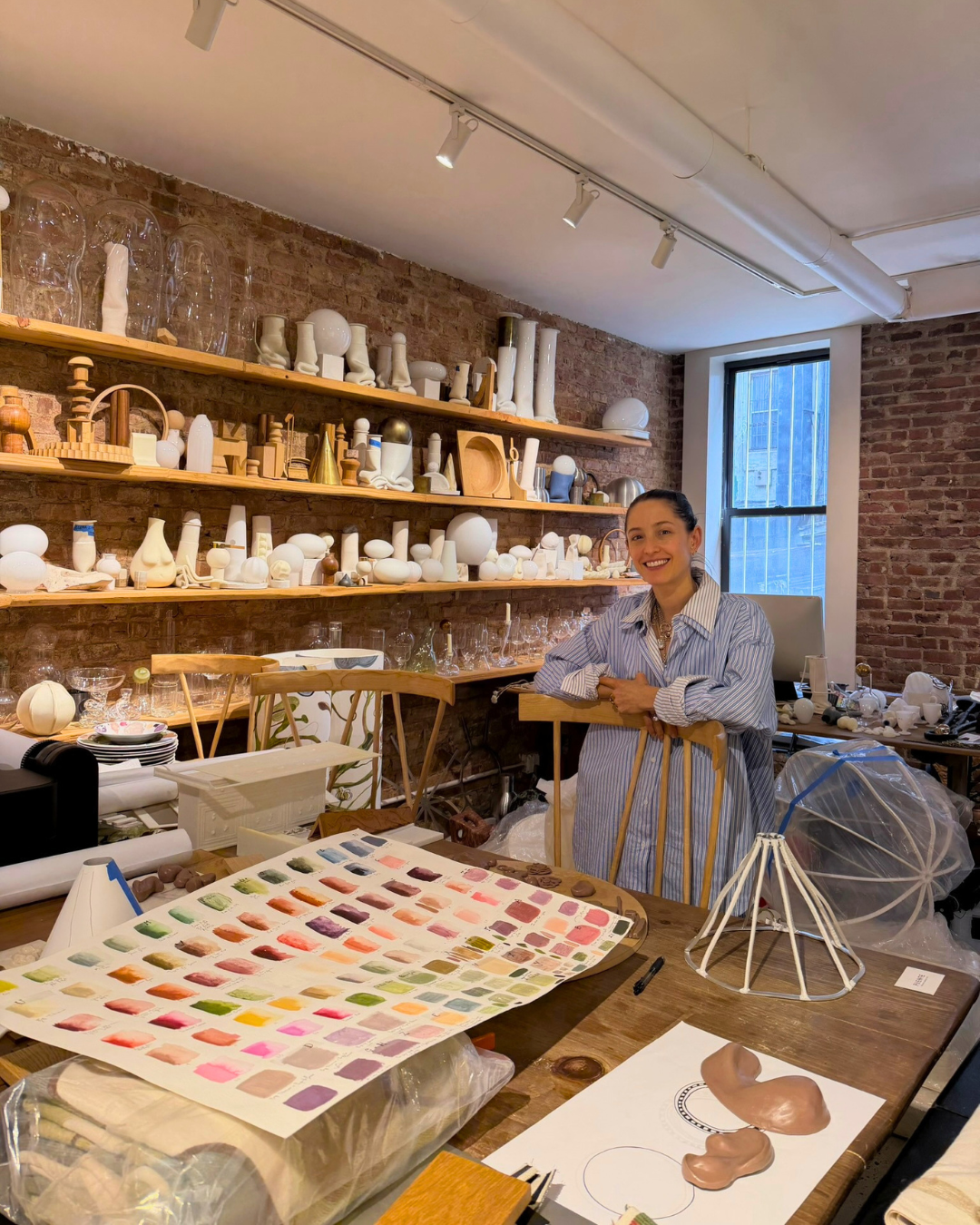
A working studio that feels like stepping into the artist's process, all inside a former print shop Karlin rebuilt by hand.
Her work sits between furniture and sculpture. Hand-blown glass, sculptural stools, objects that feel collected rather than placed.
My favorite piece: the Ceramic Bar Cabinet, a glazed ceramic drum that opens to reveal warm oak shelving and hidden glassware inside. Closed, it reads as sculpture; open, it becomes this unexpectedly intimate bar moment.

Courtesy of Anna Karlin + Studio
Tribeca, 50 Lispenard Street
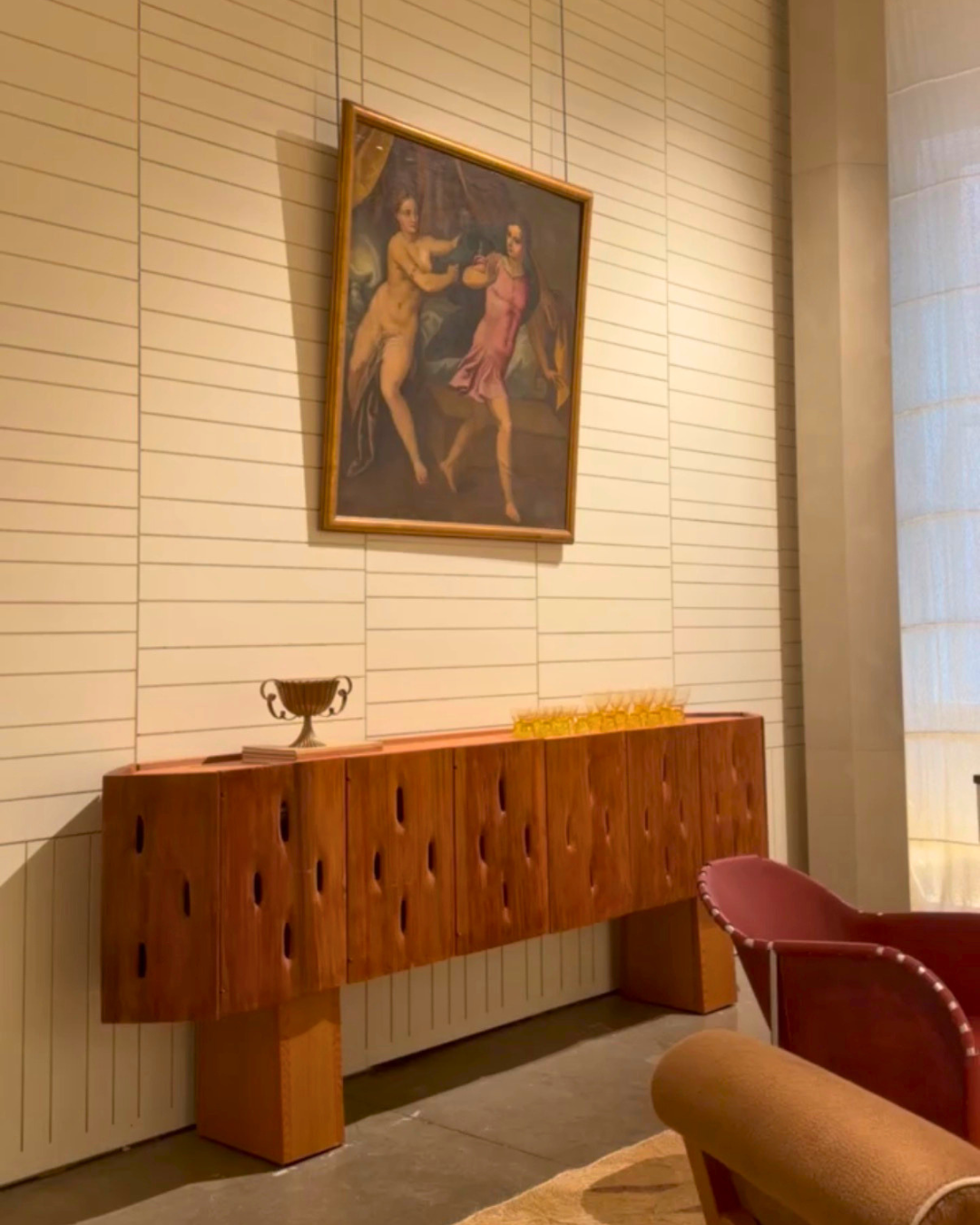
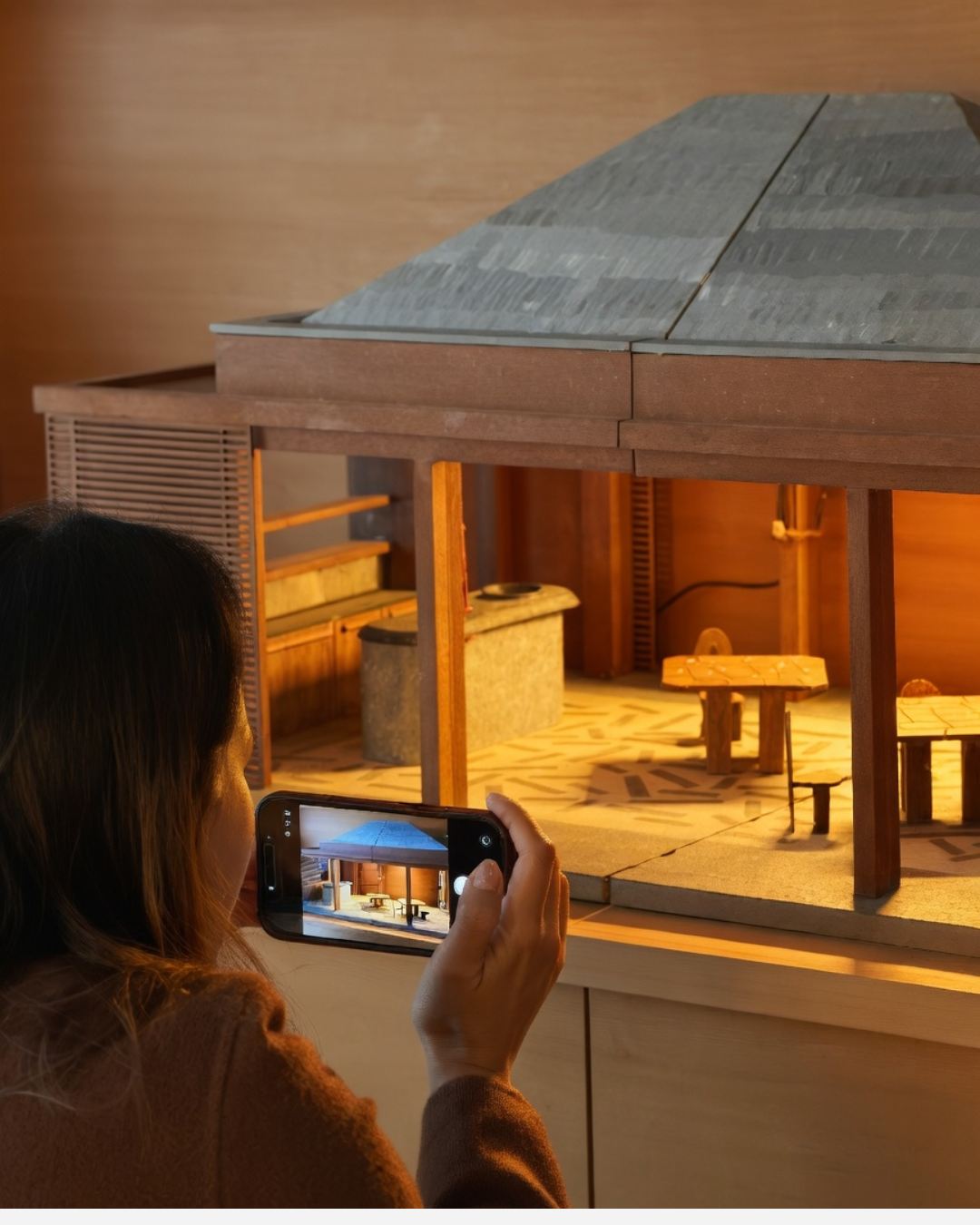
Giancarlo Valle and Jane Keltner de Valle's space is an extension of their home, which is why everything feels so instinctive together: contemporary pieces layered with vintage and antiques in a way that feels effortless and considered at the same time. The maquettes are the quiet highlight, tiny architectural models of their projects, scattered through the space like a working sketchbook made physical.
My favorite piece: the Carved Credenza with soft vertical grooves that shift with the light. Beneath an old master painting with amber glassware on top, it strikes that balance between new and timeworn, like it's always been there.
Tribeca, 82 Franklin & 64 White Street
Zesty Meyers and Evan Snyderman began as glassblowers and performance artists, sourcing 20th-century furniture at the 26th Street Flea Market in the mid-'90s. That maker background still defines the gallery today, where collectible design is treated as something alive, moving between archive and gallery, anchored by a skylit atrium and an upstairs research library.
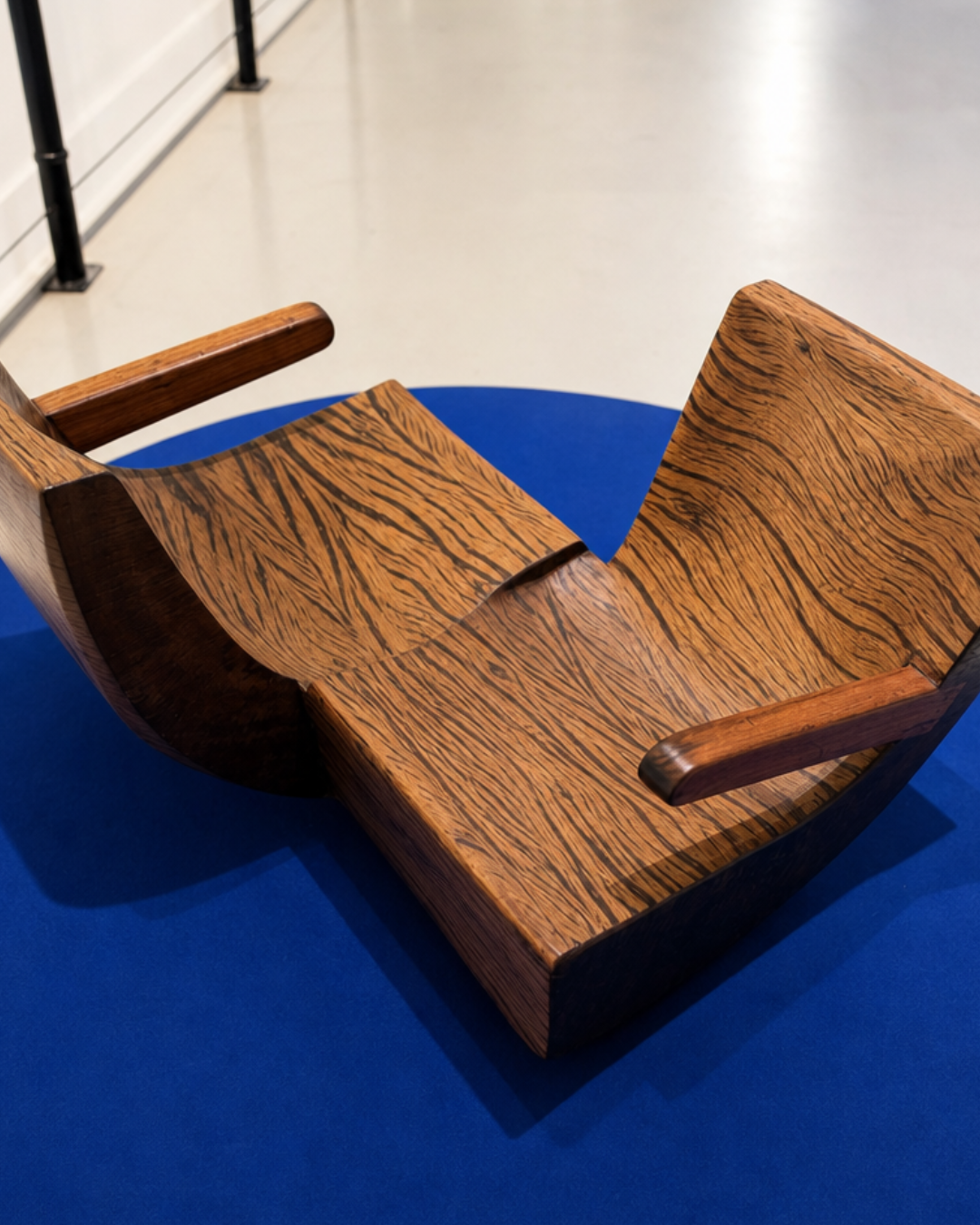
My favorite piece: belonging to the Brazilian Modern exhibition, a sculptural wood rocker with sweeping grain and fluid lines, set on a cobalt base like it's quietly on display, emphasizing a sense of discovery.

Tribeca, 76 Franklin Street
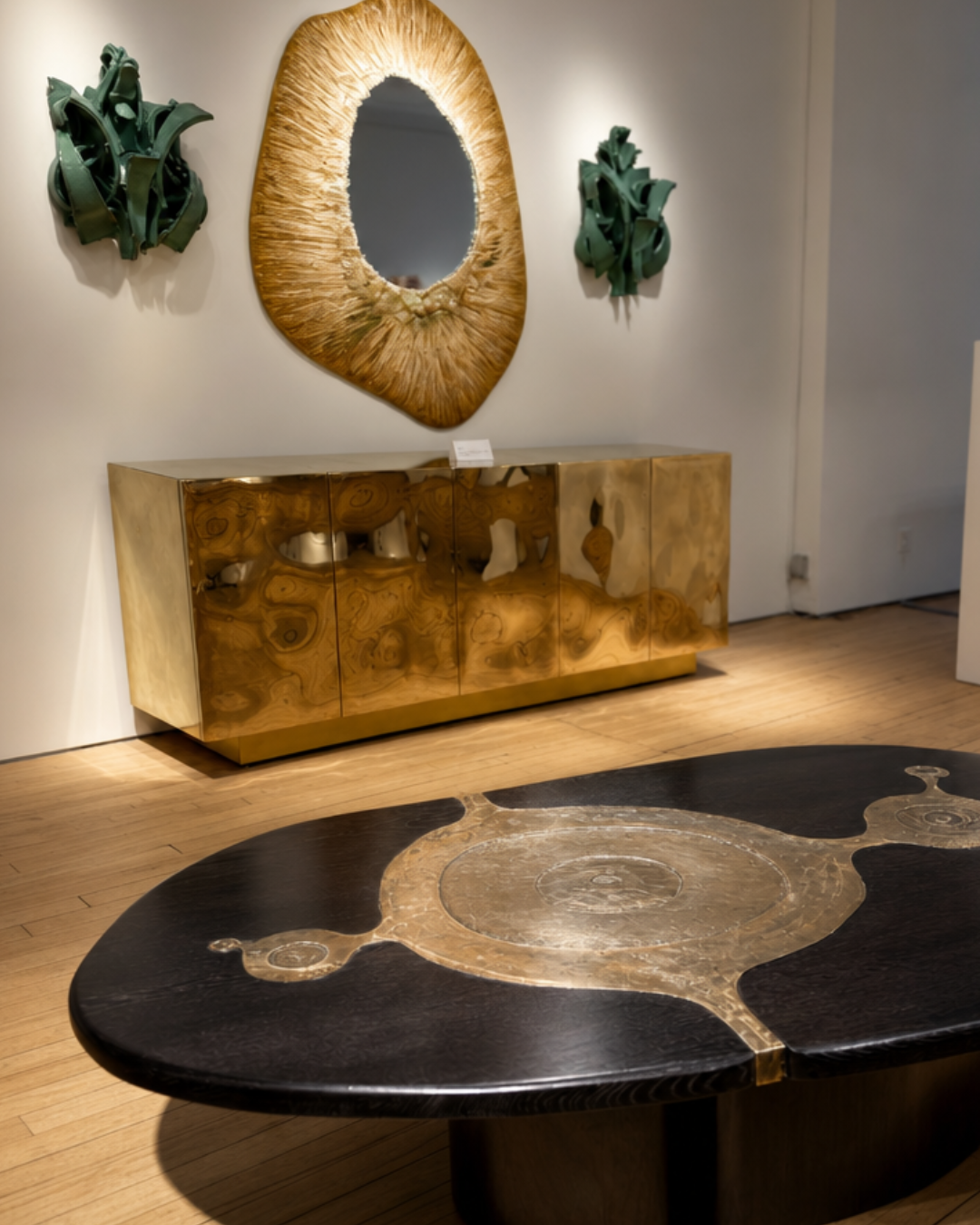
Renaud Vuaillat brings French collectible design into focus in New York, with pieces that sit somewhere between object and story. Many works carry that slightly surreal quality, especially Erwan Boulloud's cabinets, which feel almost organic in form.
My favorite piece: the Nazca Coffee Table with a metallic inlay at the center, like a small relic embedded in matte wood. The contrast gives it a quiet sculptural depth.

Tribeca, 241 Church Street
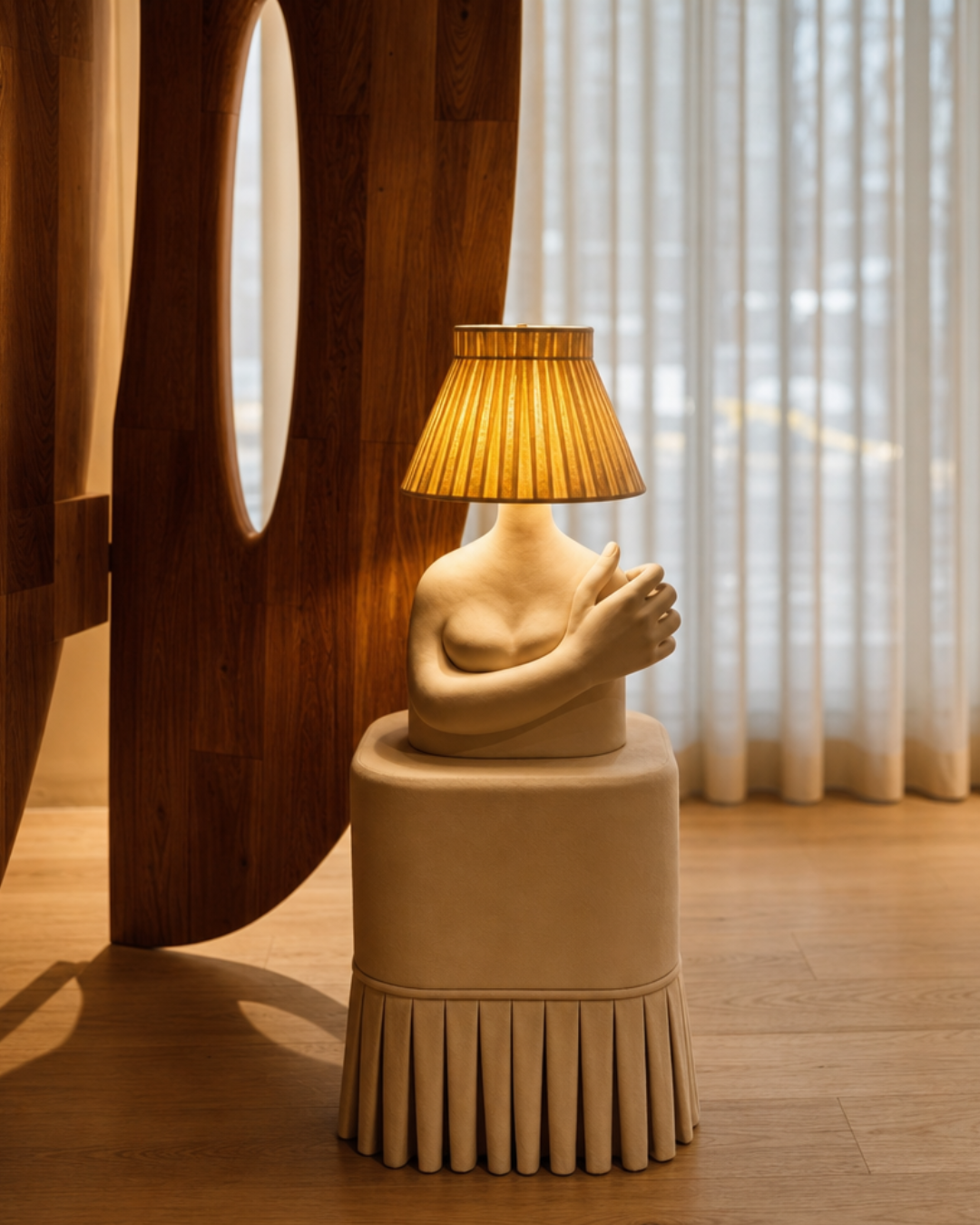
A gallery shaped by architecture as much as design, with curved walls, vaulted light, and a soft ivory palette that makes everything feel calm and intentional. Set inside the 1901 Textile Building by Hardenbergh, the same architect behind the Dakota and the Plaza.
My favorite piece: the Arched Door, a hand-carved chestnut door, paired with a single ceramic vessel. The surface shifts constantly with the light — subtle, tactile, and always changing.

Midtown, 693 Fifth Avenue
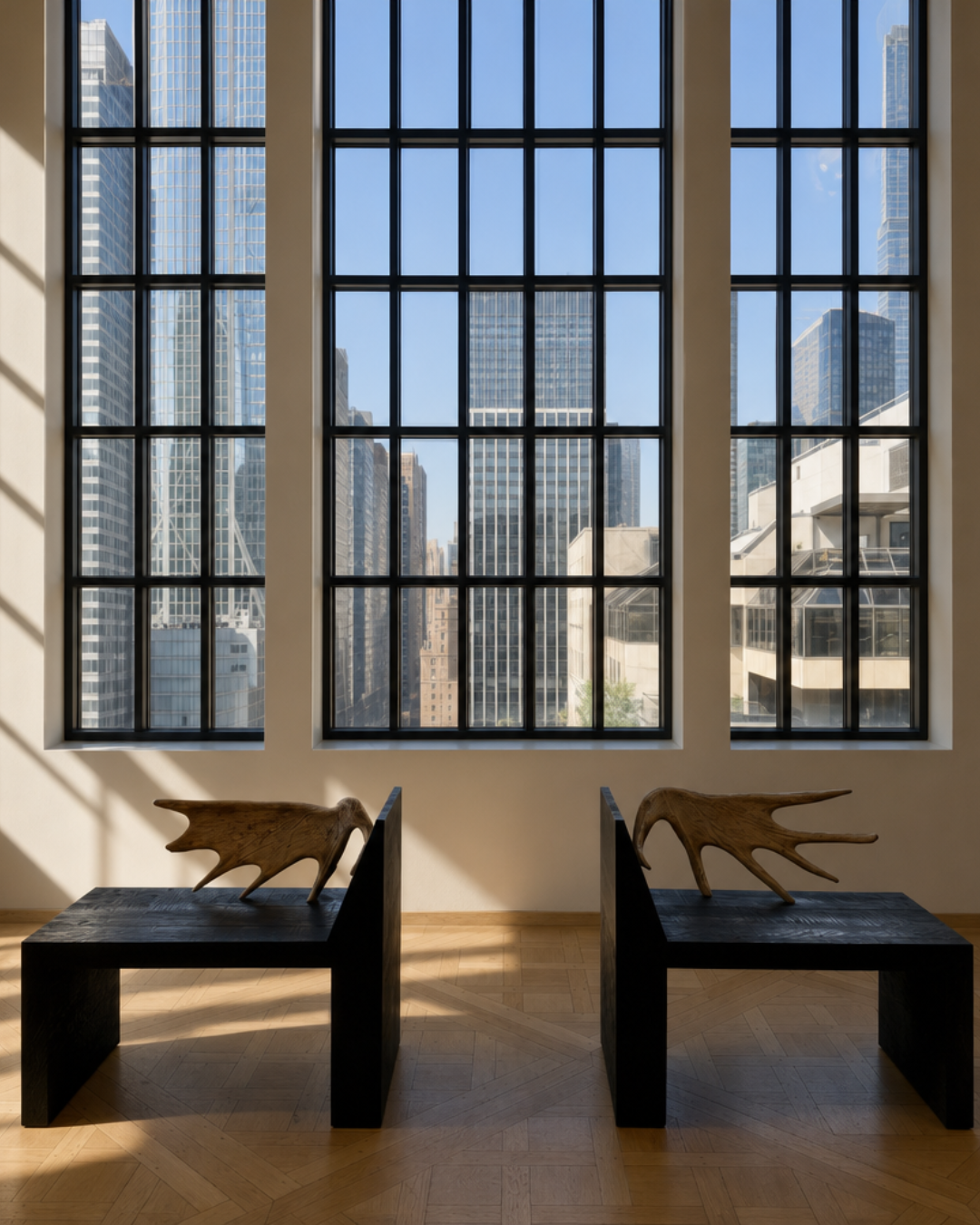
This is the gallery that put "functional art" on the map. Founded in London in 2006 by childhood friends Julien Lombrail and Loïc Le Gaillard, it deals exclusively in furniture that's sculpture first, function second. The lighting alone changes the way you read the space.
My favorite piece: the Fragile Future chandelier by Studio Drift, a floating constellation of real dandelion seeds glued one by one to tiny LED lights. Every seed head is slightly imperfect, which is what makes the whole thing feel alive.

Garment District, 124 West 30th Street, 4th Floor
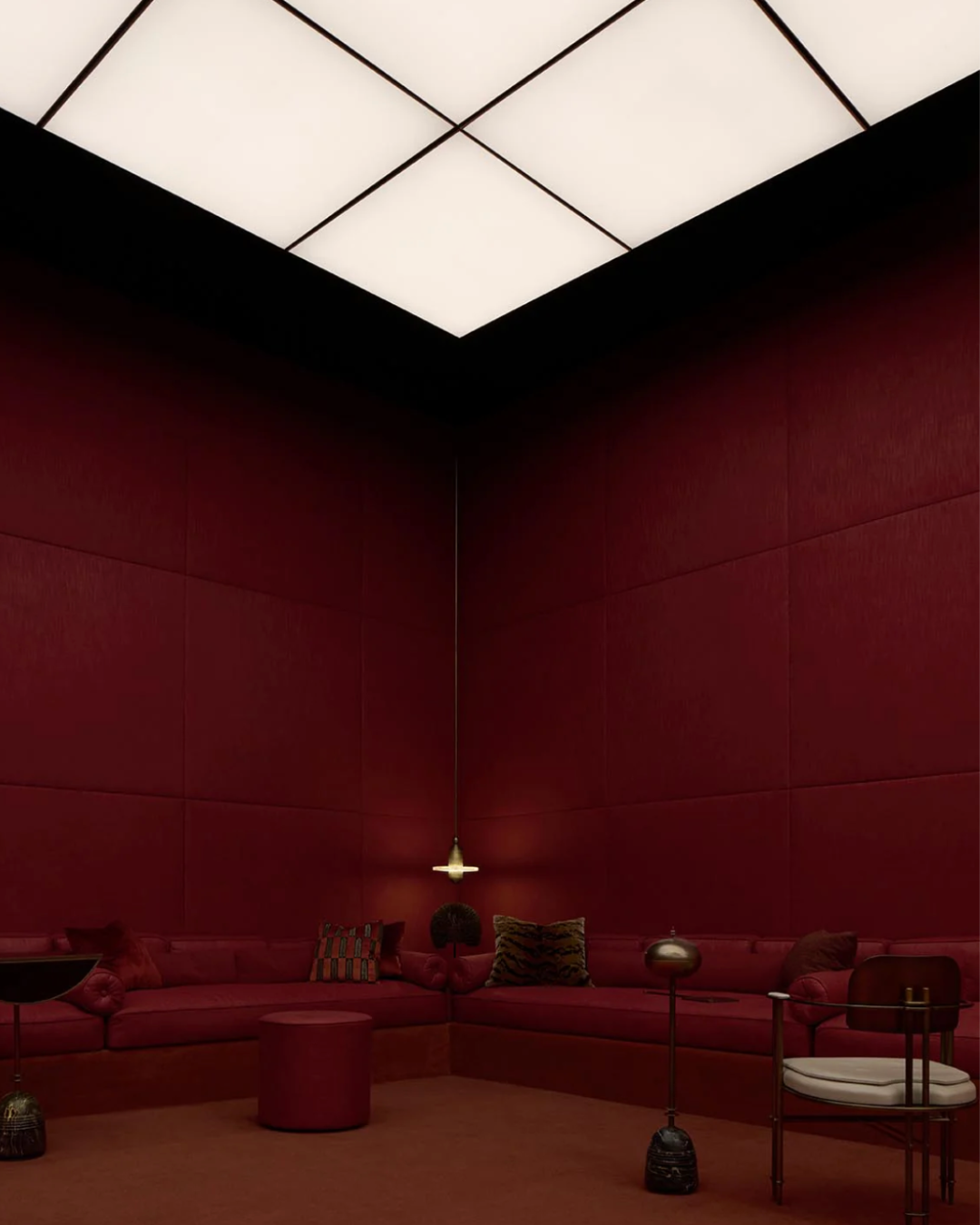
A studio defined by atmosphere, where each collection feels like a shift in mood. Apparatus doesn't update its showroom — it restages it into immersive "Acts," each with its own mood and narrative. Brass, marble, suede, and lacquer are layered in a way that feels both sculptural and cinematic.
My favorite piece: antique leather screens, soft in material, structured in presence, with light moving differently across every panel.
Courtesy of Apparatus

Courtesy of Apparatus
Chelsea, 555 West 25th Street
A penthouse-like space where furniture and art sit in conversation. The French interior architect turned a 10,000-square-foot penthouse on the top floor of an 1897 building into a sequence of immersive rooms you wander through, each one feeling like its own quiet world.
My favorite piece: the Mama Bear Chair, bouclé forms with soft ears that bring a sense of play into an otherwise refined space. Simple, sculptural, and instantly recognizable.

Courtesy of Pierre Yovanovitch Mobilier

Courtesy of Pierre Yovanovitch Mobilier
West Village, 8 St. Luke's Place
A residential-style gallery set inside a restored 1901 West Village townhouse, designed by David Chipperfield.
What makes it different is the setting itself: the original architecture becomes the frame, and every room is staged with a quiet, lived-in logic rather than a traditional gallery layout.
My favorite piece: the De La Espada cabinet with a soft green felt insert, paired with ceramics and warm wood tones. The palette does most of the work; everything else falls into place around it.

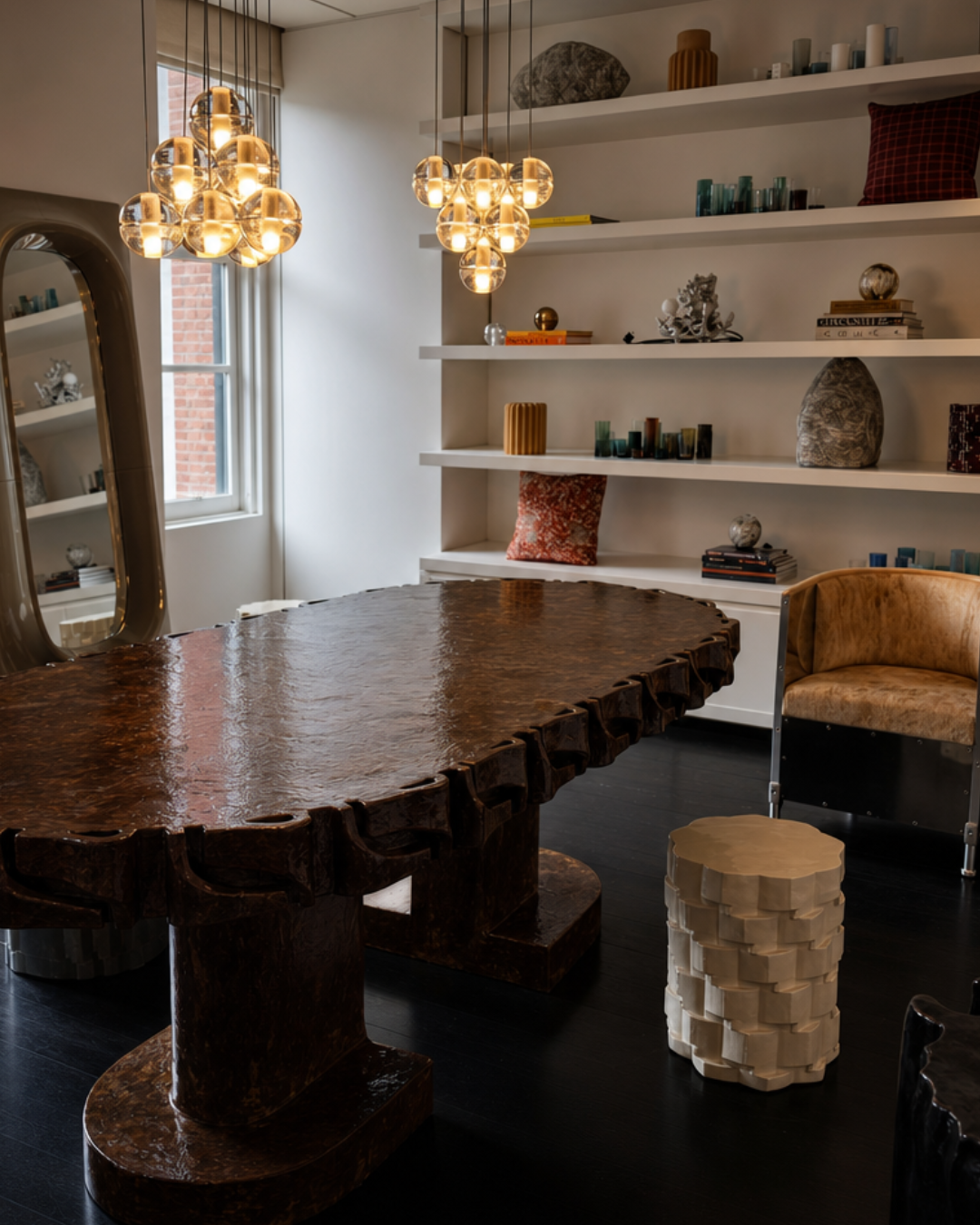
Tribeca, 102 Franklin Street
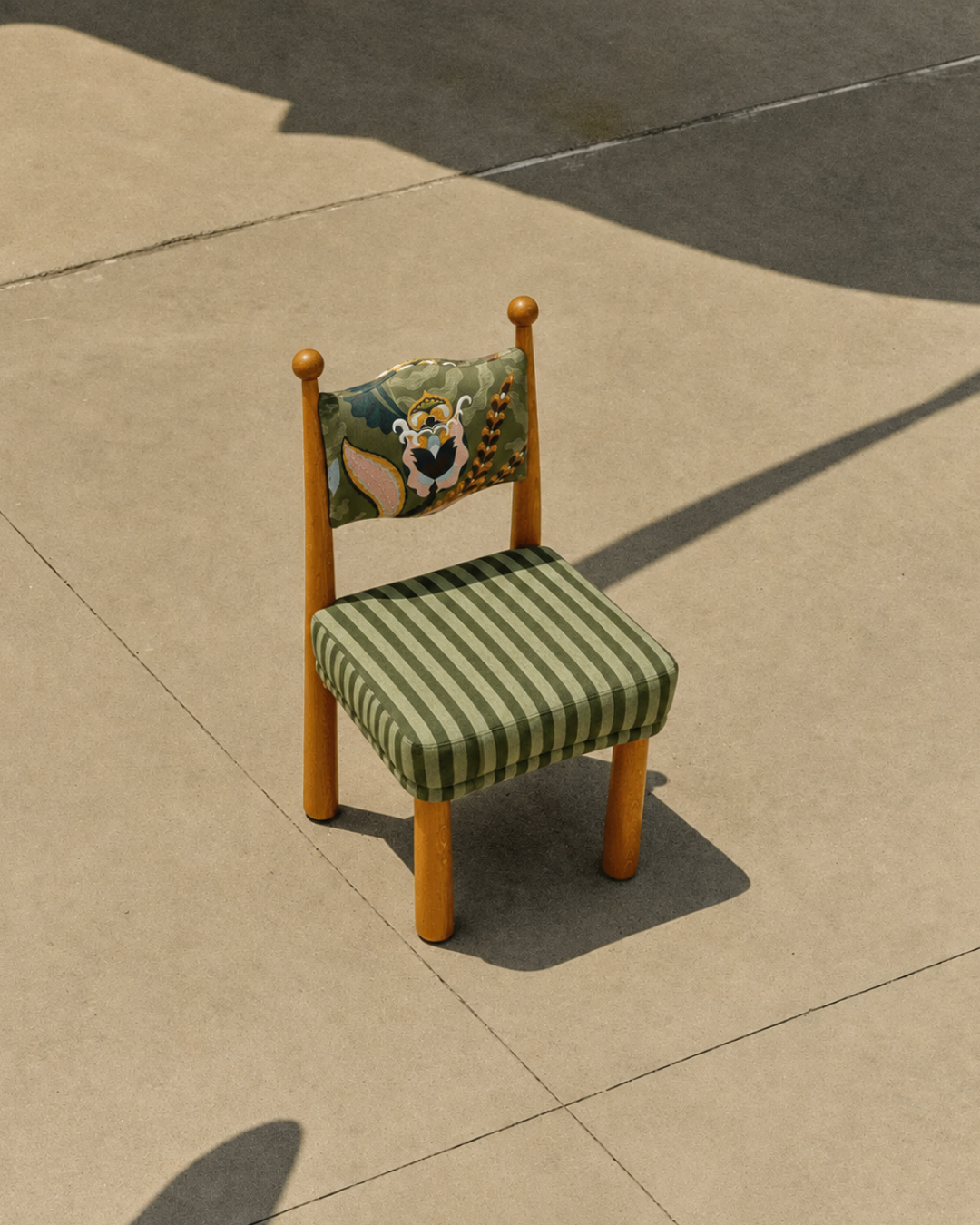
A playful, narrative-driven approach to design where craft and storytelling collide in a very instinctive way. A Paris-based designer who opened her first permanent New York gallery in Tribeca, bringing her world of interiors and objects that mix craft, textile, and color in ways that always feel instinctive and unexpected.
My favorite piece: the Mawu Chair with a striped seat and embroidered back — charming, expressive, and full of character without trying too hard.
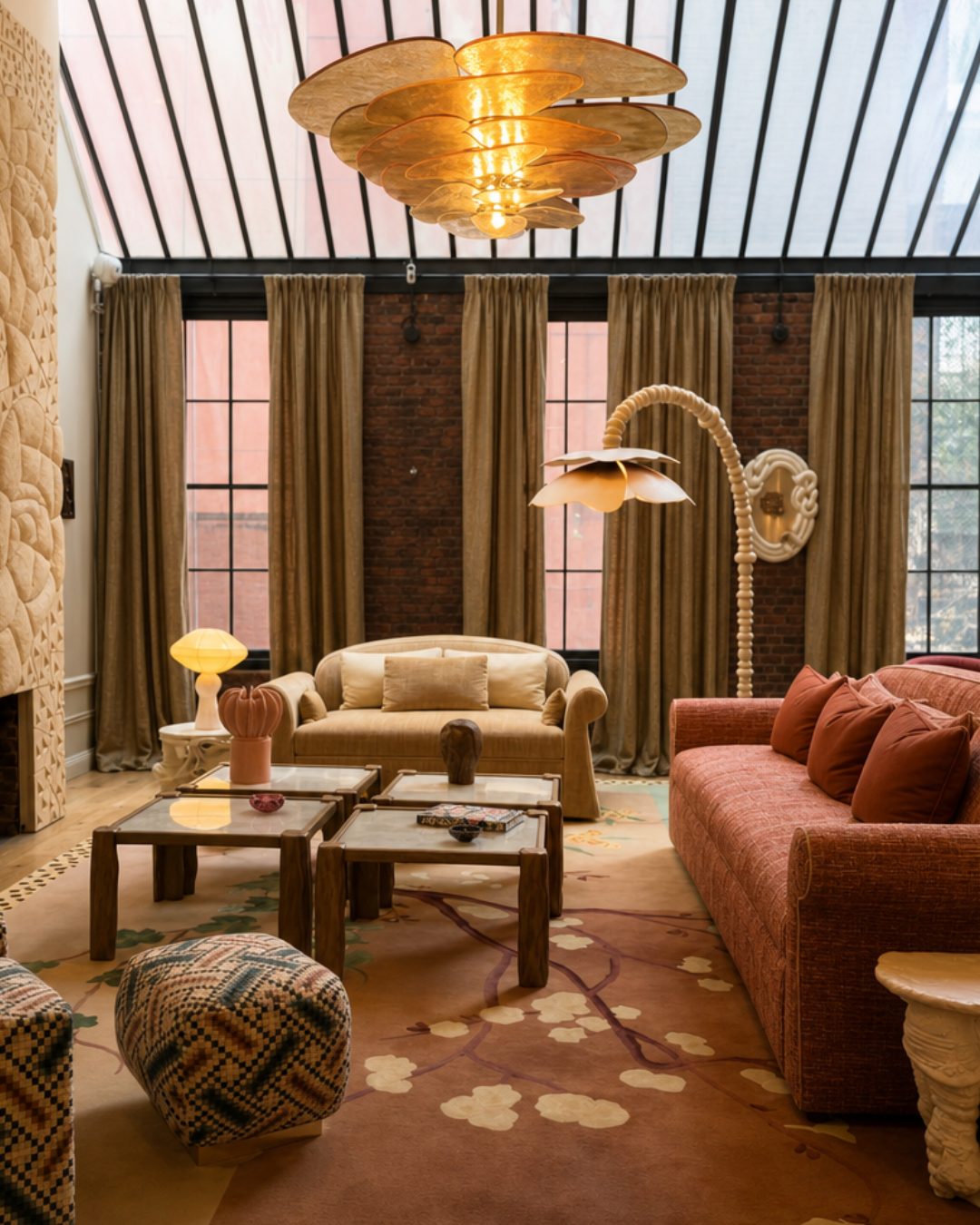
Midtown, 100 East 53rd Street
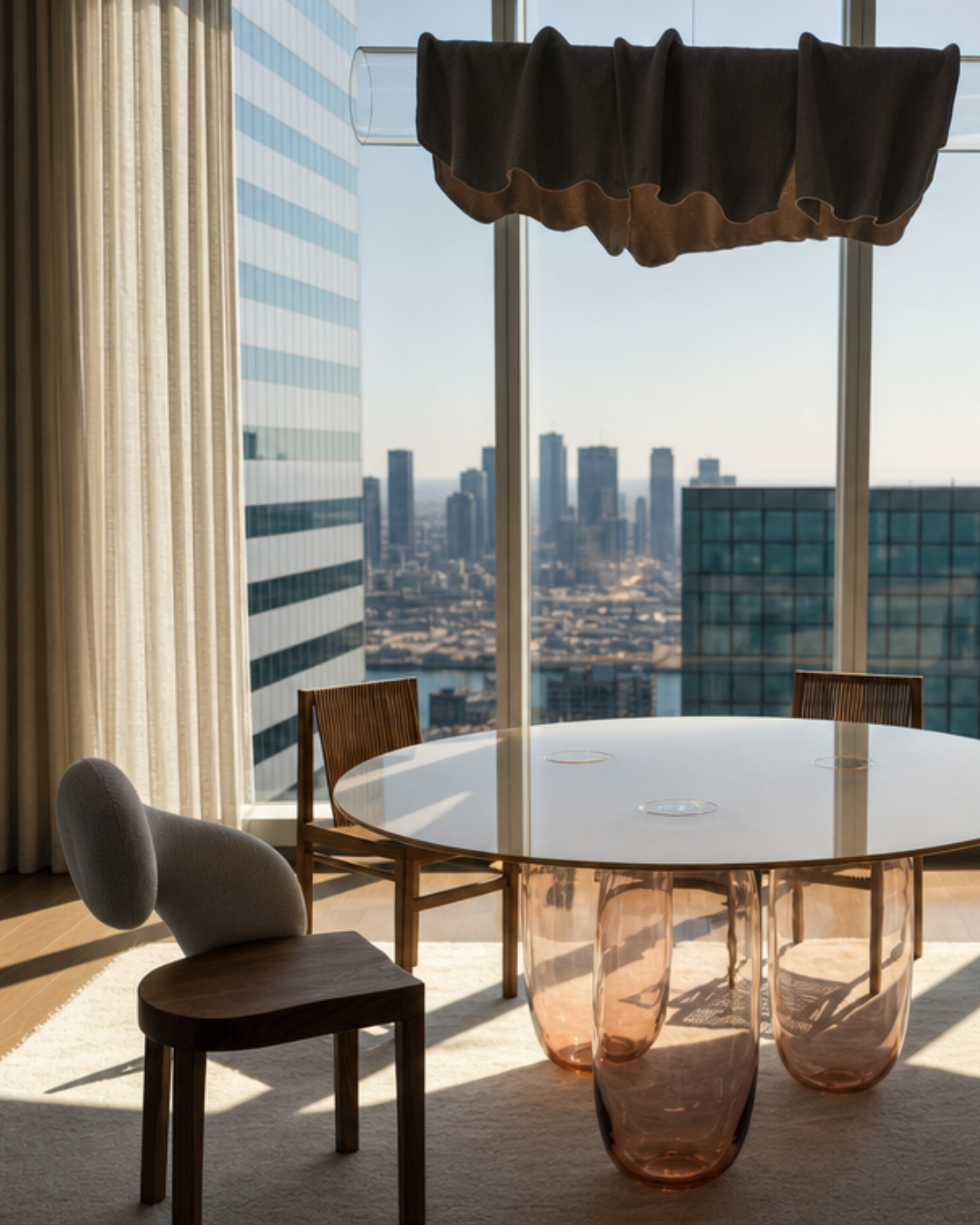
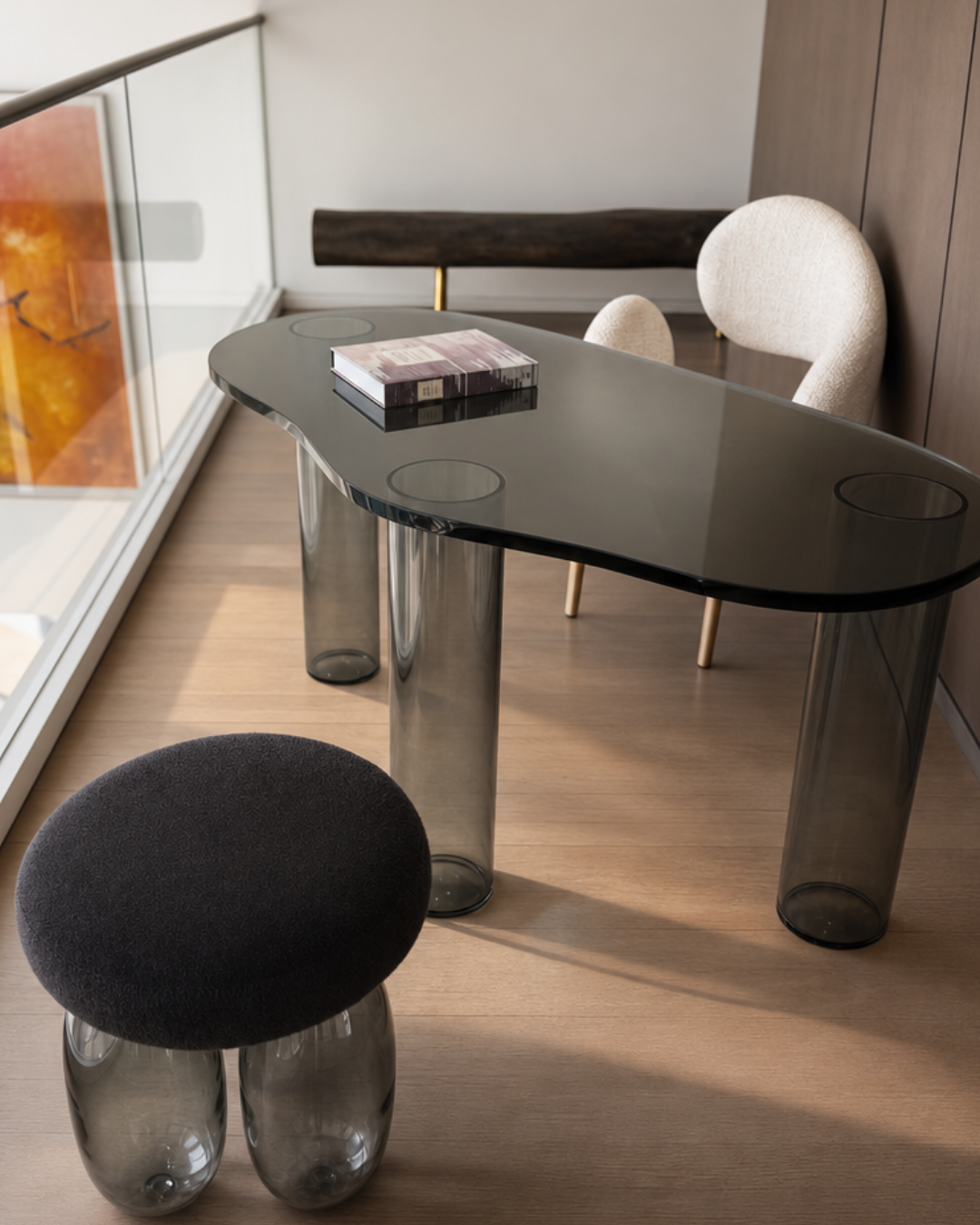
A radically multidisciplinary approach to design where science, nature, and craft intersect in deeply humanistic ways. A Paris-based designer whose work spans objects, architecture, and art, from the Paris 2024 Olympic torch to interiors for museums and churches. His pieces are inspired by natural forms and forces — air, water, and light — translated into sculptural, almost living objects that feel both rational and poetic.
My favorite piece: the Lake Table, with its smoky, cloud-like glass top resting on translucent cylindrical glass legs, fluid and organic, like a form caught mid-motion.
Call ahead when needed — some spaces are by appointment. The best way to experience them is slowly, neighborhood by neighborhood, letting one place lead into the next. Tribeca and SoHo hold most of them within walking distance, which makes the experience feel almost continuous.
It's less about ticking places off a list and more about how each room changes the way you look at materials, objects, and space.